About
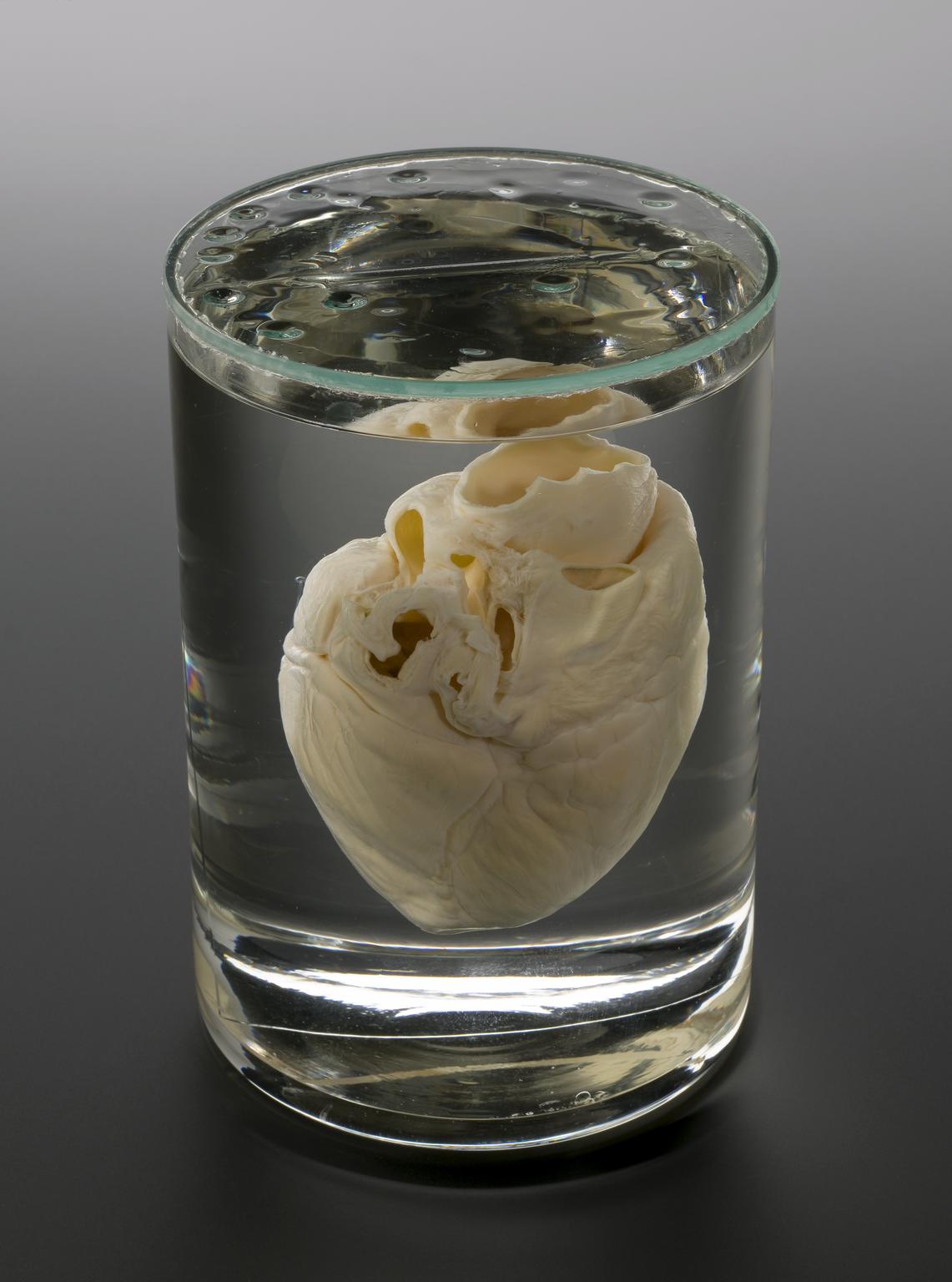
This is a very strange object indeed, and perhaps not what you expect to see in a museum (although we know lots of things that are kept in jars at museums). This is the heart of a pig that has been removed and genetically engineered to be able to work within a human body.
This is a type of medicine known as xenotransplantation, that means extracting animal organs and changing them so they can be used in humans. The idea first came about at the beginning of the 20th Century and has been attempted on and off since then. It can be very dangerous however, and may have lots of damaging side-effects.
Things to think about:
- Why do you think the scientists chose to use a pig’s heart?
- Do you think it is a good idea to use animal organs to save human lives?
- If you could have any part of an animal what would you have? (We think we would have the wings of an eagle so we could fly).
Museum's description
Scientists created this genetically engineered pig heart for transplantation into humans. Many scientists thought this process, called xenotransplantation, might be the best way to provide new organs for people with no matching donor. However, there are problems with overcoming differences between the immune systems of people and pigs, as well as some safety fears. These factors have held the research back.
Teacher notes
This object makes a great illustration to a lesson on the history of science and medicine. It demonstrates to students how far medicine has come even within this century.
The Science Museum has a great website dedicated to the history of medicine. The website is actually aimed at GCSE students however the information they provide could be easily translated into a KS 2-3 lesson.
They have an objects search feature where you can search through 4000 of their objects by theme (eg. Surgery, War and Medicine, Hospitals) to find more museum collection pieces to accompany your lesson plan.
Additionally, Worcester Medical Museums have a load of great resources for teachers and students about the history of medicine.
Teachers can also visit the Science Museum Group learning resources website. This website brings together learning resources from the four Museums in the Science Museum Group, including activities, games and videos. Browse all the resources and discover activities to support a range of curriculum topics for use in the classroom, in museum galleries and beyond.